
Email Deliverability Rumors vs Facts http://mpb2b.marketingprofs.com/2017-in-retrospect/
Deliverability: The Best Kept Secret in Marketing
Let’s confirm some of the facts on email deliverability. We sat in on a short discussion on deliverability at the 2017 Marketing Conference in Boston. In referencing some discussion during the conference, we want to focus on those top priorities of getting into the inbox the right way. We have compiled a list of key ways to align with best practices and achieve high deliverability.
Authentication The first way of achieving high deliverability is by setting up authentication. Authentication is the foundation of excellent email sending practices, helping you secure and legitimize your emails for recipients. The most optimal way to secure your email is by setting up SPF, DKIM and DMARC. Here is a brief look into each and why they are important:
–SPF stands for Sender Policy Framework. It’s a security feature that confirms the sending IP is who they say they are. Having one in place will help you monitor incoming email and allow your emails entry into others mailboxes. Some mailboxes do not allow emails to come through that do not have an SPF. –DKIM stands for DomainKeys Identified Mail. It encrypts your messages using a public and private key. The private key is yours alone and the public key is a text record added to your DNS records for the recipient’s server to view. The keys are encrypted together and add an additional layer of security to your email. –DMARC stands for Domain-Based Message Authentication, Reporting and Conformance. It works with SPF and DKIM to offer an additional layer of security. Large-scale email senders need a DMARC policy in place.
Engagement from Organic Lists Once you developed a foundation for sending and receiving emails, the next step is to engage your audience. Engagement is about building an organic list based on those who love your products. Often companies will purchase lists to create an audience quickly. While this approach will boost your list of contacts in the short term, this can often result in a list of uninterested subscribers. If they cannot remember receiving an email from you, this comes across as invasive and may be marked as spam. The email goal is to establish long-term relationships with clients who are engaged.
List Hygiene As your list grows, so does the importance of keeping it clean. Always give subscribers a way to unsubscribe, such as an opt-out button on their emails. Monitor bounces that return to your inbox. While a small number of hard bounces is normal, ISP’s will find it suspicious when hard bounces are over 5% or all email sent.
Feedback Loops One of the best ways you can monitor is by setting up a feedback loop. These loops take any complaints or reports of spam from subscribers to the sender. This allows the sender to receive feedback to make alterations to their content. By listening to feedback, you can alter your content to become more relevant to the audience’s needs.
Relevant Content Maintain your audience by producing content that adds value to your audience’s lives. Aim to provide quality material on a consistent basis. By setting up a sending schedule audiences will begin to ‘tune-in.’ Maintaining an audience is also about creating ‘user-friendly’ emails, ensuring recipients can view the material easily. Here’s a few ways how you can do this:
Format email content to be read on all mobile devices Personalize emails by addressing them by their first name. This builds deeper relationships and improves future open-click rates Be clear about what you are offering in the subject line. Don’t use gimmicky subject lines. Use the 80:20 rules for text to image ratio (unless you’re a photographer). Internet Service Providers (ISPs) often mark emails as spam when they have a high image to word ratio.  Deliverability is continually evolving as email sending becomes more sophisticated. The topic touches a vast realm of knowledge, ranging from legislation to ISP algorithmic authentication. We encourage you to learn more about this topic and to implement deliverability into your marketing strategy. Doing so is guaranteed to improve your chances of making it to the inbox every time! That’s why it’s the best kept secret in marketing.
You can visit our services page to explore we have to offer when it comes to deliverability, ROI, reply-monitoring and much more.
Author: InboxPros. This article was originally posted by InboxPros. To view the original, Click Here.
The post Deliverability: Marketing’s Best Kept Secret appeared first on Relationship One.
Read more: relationshipone.com

Dust the cobwebs off your business marketing plan with the advice below.
Spring cleaning is synonymous with housework and garage sales, but it’s also of great value to your business. Spring is a great time to evaluate where you are, the progress you have made in your marketing and business goals, and what changes might be necessary to make. Keep reading for helpful tips on how to spring clean your marketing plan, online reputation, search engine optimization (SEO), social media, and website.
The first step of spring cleaning is to create a to-do list of the specific areas you want to spruce up. In order to tackle projects quickly and effectively, it can help to prioritize and organize this list from things you need to do immediately and what is able to wait until a later date. If you don’t rank the importance of your to-do list, you’ll end up doing what you find easiest while delaying the consequential stuff. Disorganization can produce stress and mistakes.
Once you have your list prioritized, don’t be afraid to call on your team for help and delegate tasks. For projects you want to work on, schedule short blocks of time during your work hours to spend on them so they don’t seem as overwhelming or get put on the backburner.
Spring Cleaning Your Business’ Marketing Plan
Before we dive into specific strategies to freshen up this spring, it’s important to take a look at the big picture and evaluate your marketing plan as a whole.
Goals: When you created your marketing strategy for this year, you should have included SMART goals. Spring serves as a good reminder to look at those goals you created. Are you on target to reach those them? Do they need a little fine-tuning? Do you have new goals to add to your current marketing strategy? Budget: Like your goals, the budget should have also been established when you established your marketing strategy. Budget is a complex topic with many variables that need to be considered; Emily Sidley, Three Girls’ Senior Director of Publicity, dives into the topic in her three-part series: Part 1, Part 2 and Part 3.
In general though, now would be a good time to see where you are on your expenditures compared to what you have set aside for the year. This will help you determine where you need to cut back or where can you spend a little more.
Target Market: This area won’t change much in just a few months, but it is still a good idea to evaluate it to see if there are any new trends developing. Potential changes in your target market could signal an opportunity for your business to expand, which you’ll want to keep an eye on, or an area in your marketing efforts which you need to improve in order to reach your intended market.
The following strategies all deserve their own discussion and evaluations, but it’s important to remember they interlink and should reinforce your overall brand messaging.
Spring Cleaning Your Business’ Online Reputation
When was the last time you checked your online reputation? Here’s how to spring clean your business’ image.
Spring cleaning your brand’s online presence can be done in three simple steps.
Evaluate where you are online. The best place to start is to evaluate where you are with a simple Google search for your business. Check for any accounts you may have created that need to be shut down for inactivity, as well as the rest of your online profiles. This is a great opportunity, if you haven’t done so in the past, to create a master spreadsheet of your online presence – include website names, login information and other notes (like if the site is active or when it was deactivated). Think about the big picture. How do all your different sites fit into your overall brand? Does your website reflect your business accurately? How do social media profiles fit into the big picture? Are all of them being used effectively and worth your time? Because a lot of consumers judge businesses by their website and social networks, it’s important your overall online presence is consistent and cohesive. See what others are saying. Part of managing your reputation is monitoring what people are saying about your business. It takes a lot of time and patience to build a positive standing, but it only takes a few bad words to damage it. Don’t wait until spring to acknowledge a negative review (that should be done immediately); instead use this time to get an overall picture of your status, making notes on the general consensus and how you can improve your brand’s image. Spring Cleaning Your Business’ SEO
Google is pretty secretive about how they judge web pages and they constantly update their algorithms to make sure they are showing the most relevant results people want. For this reason, it’s important you regularly evaluate and freshen up your Search Engine Optimization (SEO) strategy to make sure you’re keeping with these time-tested techniques front and center.
1.Audience first, search engines second. In case you weren’t aware, Google is one smart cookie made up of thousands of intelligent search engine optimization analysts who want to get people the most educational, engaging, and unique content onto user’s screens. In order to do this, you need to create content that is epic and tailored to your target audience. Creating content with important information can increase traffic to your site, build trust with your audience and attract inbound links and social shares to get your content elsewhere.
2.Keywords and placement. Make sure you’re keeping up to date on the best practices for SEO with these spring cleaning tips for your business.
Gone are the days of throwing keywords all over your content in the hopes that you’ll earn some extra bonus points with Google. Instead, pick one strong keyword or key phrase to focus your content around and place it in your copy where it sounds natural to the reader. Why? This will build structure, consistency and help SEO by making it easier for Google to know what you’re all about.
You want to choose a word or phrase that your audience will naturally search and associate with your business. Tools like Buzzsumo, are handy to analyze how many people are searching for particular words. You want to choose a word that users are searching for but keep it specific to your brand.
Take some clues from Carly Murphy with these five keyword placements:
URLs: Use hyphens between each word. Page Title: Try to put the keyword in the first or last three words of the title since that is where people scan when searching results. Page Headers: Every header should include the keyword for consistency and reinforcing the topic. Image Alt Tags: Include the keyword in the alt tag to help tie it into the post. Meta Description: This is the snippet of information that search engines display on the results page, using a keyword will help people and search engines understand why it’s relevant to the search.
3.Create internal links
According to Murphy, internal linking is, “The act of positioning hyperlinks throughout your site that link to separate pages within the same domain.” This means that if you’re writing a blog post, make sure to include links to other blog posts or pages on your website. This allows users to navigate the site and also gives you some free votes in the SEO department.
Page length The length of the pages on your website also plays a role in SEO. According to this PR Daily article recently released, every page that you publish needs to have at least 500 words. This is especially important for blog posts and pages that inform your audience about your brand – such as the homepage and about page. Spring Cleaning Your Business’ Social Media
Now is the time to take a look at your social media accounts, research trends and make changes where it is needed.
Evaluate Accounts: You remember that master spreadsheet you created? Now is when it will come in handy. Go through each of your social media accounts to evaluate how they are performing for your brand. It is better to be on one site and do well on it, than to be on every social platform and have mediocre results. Once you know which accounts you want to keep using, go through them with a fine tooth comb. Update contact information, profile images and your about section to make sure that it accurately reflects your brand. Research Trends: Social media trends come and go pretty frequently. By now there should be a clear picture of what social media techniques are picking up speed and which ones are already dying out. In the fierce competition for consumers’ attention, you need be aware of these changes to keep your edge and stay ahead of the competition. This is also a time to make sure there have not been any changes within social media platforms themselves. Recently, Facebook rolled out a new algorithm that dramatically shook up how businesses use the platform to interact with their audience. Not doing research on trends and practices could cause you to miss an important change and lead to upsetting results. Make Changes: If you notice you have a social account that is not producing results and you have given it enough time (12-18 months), now would be a good point to deactivate it and redirect resources into the better performing platforms.
More than just deactivating accounts, now is a good time to adjust how you use the social platforms and to update your content calendar with new ideas.
Spring Cleaning Your Business’ Website
Is your website viewable on all browsers and mobile devices? Here’s why it’s important.
Like everything else, your site may be in need of a little spruce up. If it’s been a while since you last updated your website, it could be missing some key features that are fundamental in today’s competitive business world. Here are some questions to ask as you freshen up your website.
What is its purpose? It seems obvious, but knowing the true purpose of your website will determine everything that it does and how it looks. Make sure you lay out clear objectives and goals. The purpose of your site should be evident to your visitors; if it’s not, now is the time to make sure it is clear through your copy and images.
What content does it need? A personal website will usually have content that is more about personal tastes and interests. A business website will feature content about the business itself; an “About Us” page, a blog, contact information, and pages devoted to products and/or services are important parts of successful a business website. It’s critical to feature content that is SEO focused, with crisp images, creative videos, and keyword-friendly copy. Make sure each page includes a call to action and links to your social media profiles are easy to find.
Who is your audience? Every website design is a little different; you can always tell who knows their audience well and who doesn’t. Website designers who understand their audience use appropriate colors, targeted SEO (as mentioned in the previous step) and a clear layout. Make sure it’s immediately clear who you’re trying to reach when your website pops up.
Is it viewable in all browsers and mobile devices? Your website should retain its structure and design no matter what browser someone is using. Test your website on Google Chrome, Mozilla Firefox, Safari and Internet Explorer. It’s also a good idea to test your website on mobile devices. According to Impact, “57 percent of users say they won’t recommend a business with a poorly designed mobile site.” You don’t want your company to fall into this category.
Ultimately, spring cleaning your brand’s marketing efforts will take time, but you’ll be rewarded in the end with a more targeted approach that will help you reach your business goals.
This article was written by Danielle Winski from Business2Community and was legally licensed through the NewsCred publisher network. Please direct all licensing questions to legal@newscred.com.
Read more: weebly.ghost.io
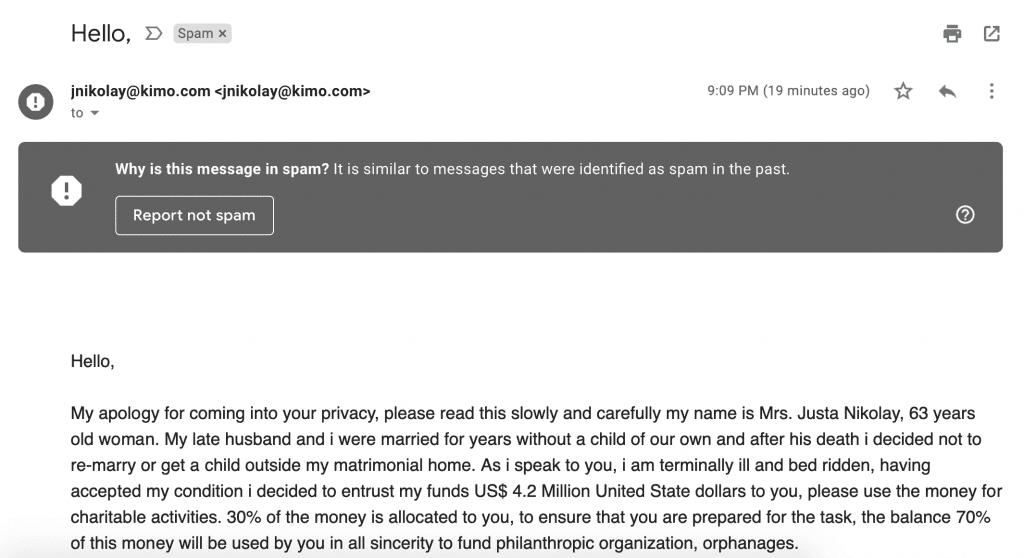
I have a dreadful routine of examining my spam folder every day –-- I wear’’ t trust my spam filter to weed out just the worst of the worst; I feel that there ’ s something beneficial under the stacks of transfer loan demands and complete strangers pointing out how they enjoyed to see me last night. I’’ m generally right, too –-- a minimum of when a week I reveal a bit of gold amongst the debris.
Spam filters are quite excellent at keeping the rubbish out of your primary inbox, however they’’ re in some cases so great that they sweep away important e-mails, too. Don’’ t let your e-mails get puzzled with scrap-- the majority of people wear ’ t even trouble with their spam folder, so your fastidiously crafted e-mail or newsletter will go on undiscovered permanently.
. How Email Service Providers Work.
Email company( ESP) have spam-detection tech in location to weed out low-grade or risky e-mails from the great things.ESPs score e-mails based upon various variables, which spam rating figures out whether an e-mail really makes it into your inbox. The greater the spam rating, the most likely it is that the e-mail is scrap. All sorts of things set off spam detection, with spammy words simply being one part. Your task is to produce e-mails that prevent as lots of spam activates as possible.
.
. Spam Words to Avoid in Email Marketing.
We have 300 spam words that you wear ’ t desire anywhere near your e-mail-- you can download the complete list utilizing the type listed below.Below are 100 single spam words to prevent in e-mail marketing( these are consisted of in the list of 300’, too).
. Download the Files . et_bloom. et_bloom_optin_2. et_bloom_form_content background-color: # 20292f! crucial;. et_bloom. et_bloom_optin_2. et_bloom_form_container. et_bloom_form_header. et_bloom. et_bloom_optin_2. et_bloom_form_content button. et_bloom. et_bloom_optin_2. et_bloom_form_content. et_bloom_fields i color: #ffffff! essential;. et_bloom. et_bloom_optin_2. et_bloom_form_content. et_bloom_custom_field_radio i: prior to. et_bloom. et_bloom_optin_2. et_bloom_form_content button. et_bloom. et_bloom_optin_2. et_bloom_form_container h2,. et_bloom. et_bloom_optin_2. et_bloom_form_container h2 period,. et_bloom. et_bloom_optin_2. et_bloom_form_container h2 strong. et_bloom. et_bloom_optin_2. et_bloom_form_container p,. et_bloom. et_bloom_optin_2. et_bloom_form_container p period,. et_bloom. et_bloom_optin_2. et_bloom_form_container p strong,. et_bloom. et_bloom_optin_2. et_bloom_form_container kind input,. et_bloom. et_bloom_optin_2. et_bloom_form_container kind button period  Download free of charge.
Join the Elegant Themes Newsletter to get this totally free download along with alerts when we release brand name brand-new material and resources for Divi, WordPress, Business, and Marketing. , if you are currently subscribed just type in your e-mail address listed below anyways to expose the download button.. You will not be signed up for our list two times or get any additional e-mails.
.DOWNLOAD You have actually Successfully Subscribed!
For these lists, I got rid of any expressions that consist of specific spam words. ““ Click Below ” and “ Click Here ” are both spam words to prevent in e-mail marketing, however so is” “ click ” as a standalone, so I just consist of “ click ” in the list.
. Approval Access Accordingly Action Amazed/ Amazing Avoid Bargain Billing Bonus Buy Call Cancel Cash Certified Chance Cheap Check Clearance Click Collect Compare Cost Credit Deal Debt Discount Earn Expire Extra Fantastic Form Free Freedom Friend Get Great Guarantee/ Guaranteed Hello Here Hidden Home Income Instant Insurance Investment Junk Leave Legal Life Lifetime Limited Loans Lose Luxury Marketing Money Name Never New Now Obligation Offer Only Open Opportunity Performance Phone Please Price Prize Problem Promise Purchase Quote Rates Refund Remove/ Removal Request Reverses Sale/ Sales Sample Satisfaction Save Score Serious Shopper Solution Spam Stop Subscribe Success Supplies Terms Traffic Trial Unlimited Unsubscribe Urgent Warranty Weight.
Instead of utilizing any of the spam words to prevent in e-mail marketing, discover a various method to provide your services or items:
.What are the services that your item deals? Why should the e-mail recipient trust your brand name or buy? How does your business satisfy your audience’’s requirements?
The much deeper you can go into these concerns, the less surface-level the material will be, and you’’ ll notification that spam words begin to vanish naturally from your copy.
.Cold Email Subject Lines.
We have a short article about composing subject lines for your audience , so I’’ m going to provide you a couple of easy design templates for cold e-mails:
.If you’’ re calling the individual based upon a recommendation, you can state, “ “ [Call] stated I must get in touch with you. ” To praise somebody on a brand-new task (and form an expert connection with them), you can’’ t state “ congratulations ” or “ brand-new. ” Instead, state, “ Your current promo to [task’] ” Don ’ t state “ unique promo, ” however-- it ’ s another spammy expression. When reconnecting after fulfilling somebody at an occasion, you can compose, “ Hi [Name], we satisfied at [occasion] ” For a completely cold connection where you put on ’ t understand much of anything about the other individual, compose something like”, “ Hi [name], enjoyed’your short article about [subject] ” P.S. It ’ s alright to utilize spam words.
Spam filters take a look at a lot more than simply the words you utilize,” so if you can ’ t determine how to email about your marketing services without utilizing the word “ marketing, ” wear ’ t go nuts attempting to figure it out. Simply avoid all the other “spam words to prevent in e-mail marketing and keep the following finest practices in mind.
. 13 More Tips for Keeping Your Emails Out of the Spam Folder.
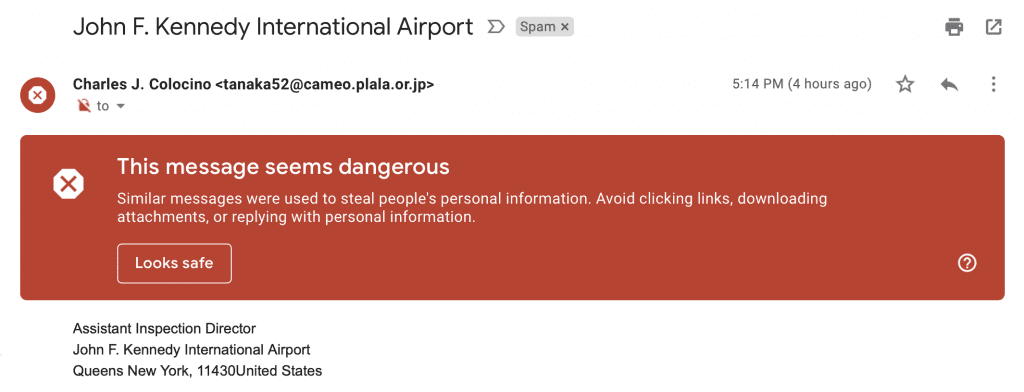
Your e-mail subject line in addition to its material has an effect on whether the ESP filters it as spam.
.
In this area, I ’ m going to provide you 13 suggestions for producing spam-free e-mails.
. 1. Keep it brief.
Long topic lines can trigger your e-mail to be sent out to spam, or at the minimum can have an unfavorable effect on open rates. Subject lines ought to be 50 characters, tops, however even much better is if you can ascertain to 20. Don ’ t do the “ one word ” subject line thing. One word: spam.
.
When it concerns’the “body of your e-mail, keep the characters under 500, if possible. Can ’ t get away with a very brief e-mail? Break the text up into brief paragraphs.
. 2. Be selective about keywords.
Even if your keywords aren ’ t on the spam words to prevent in e-mail marketing list, you shouldn ’ t overload your subject line with them. It ’ s challenging to craft a well-written subject line in’50 characters while squeezing in 3 of your keywords, and spam filters will detect the absence of quality.
. 3. Limitation punctuation marks.
In the subject line, keep it to 2 max, and wear ’ t usage exclamation marks or enigma. Don ’ t utilize a single apostrophe, either( really, wear’’ t ever utilize it-- there ’ s no requirement). Wear ’ t usage 2 punctuation marks of any’kind in a row, either in the subject line or in the body of the e-mail. That suggests you must never ever do this:!!! Avoid ellipses( …-RRB- simply to be safe, too.
. 4. Stay with routine sentence housing.
Don ’ T Do tHIs, certainly, however wear ’ t usage ALL CAPS anywhere, either. If you require to highlight a word or make a’sentence stand apart in the body of the e-mail, strong it, make the font style bigger, alter the background color, location it towards the top of the e-mail, or compose a single, engaging sentence.
. 5. Pick typeface colors moderately.
Multiple typeface colors can be a warning for the spam trigger. To be safe, utilize simply black. If you require to utilize numerous colors, restrict them to 3, and never ever utilize red.
. 6. Balance text and images.
The best text to image ratio is 60:40. A/B test your e-mails if you require more text or more images.
.7. Don’’ t include accessories.
Attachments, specifically big ones, are spam filter warnings. Rather, consist of a link where a file can be downloaded. (Don’’ t embed types in your e-mails, either.)
.8. Be wise about links.
If you’’ re including links to the e-mail copy, make certain they just go to credible domains. Don’’ t usage URL reducing services either, like Bitly –-- they’’ re thought about dangerous and are typically captured by spam filters.
.9. Enhance the ““ from ” field.
Even if you ’ re utilizing your own, expert domain, you still need to enhance the ““ from ” address. 072583@lindsaypietroluongo.com and even admin1@lindsaypietroluongo.com are most likely to be flagged as spam than lindsay@lindsaypietroluongo.com.
.10. Re: and Fwd: wear’’ t technique the spam filters.
Re: and Fwd: ought to be on your list for spam words to prevent in e-mail marketing. Online marketers believe they’’ re skillfully deceiving receivers into opening e-mails, however what they’’ re in fact doing is making it simple for the spam filter to do its task. Even if you’’ re really responding to an e-mail or forwarding an e-mail, eliminate these abbreviations –-- ESPs believe they’’ re spam a great deal of the time.
.11. Don’’ t check”“ Of High Importance. ”.
Here ’ s a head-scratcher-- in Microsoft Outlook, you can mark that your e-mails are “ Of High Importance,” ” however ESPs auto-mark those e-mails as spam.
.12. Never ever pull a bait-and-switch.
The subject line needs to follow what’’ s inside the e-mail. It can be a little overstated, however it can’’ t be deceptive or misleading.
.13. Spell checker.
You ought to be doing this anyhow since you’’ re an expert sending out an expert e-mail, however bad spelling is likewise a spam filter no-no.
.Concluding.
One of the very best methods to identify what spam filters detect is to routinely sort through your own spam folder. Take psychological (or physical) notes of what the subject lines are and after that prevent duplicating those very same errors in your own e-mails. Till you master which methods and spam words to prevent in e-mail marketing, develop a list to go through prior to sending out an essential e-mail.
You understand how to keep spammy words out of e-mail now, however what’’ s the decision on emojis? I got you.
The post Straight to the Junk Folder: Spam Words to Avoid in Email Marketing appeared initially on Elegant Themes Blog .
.
Read more: elegantthemes.com