WordPress is the most popular Content Management System (CMS) online, with an approximated 62% of the CMS market share. In spite of this, it isn’’ t ideal and can set off some problems. You might require to deal with the ““ WordPress keeps logging out ” issue.
.
Fortunately, there are lots of methods to guarantee that being instantly logged out doesn’’ t occur so typically. You can fix the issue by attempting different possible options, such as clearing caches and disabling plugins. It can be a long procedure, however ultimately, you can learn what is triggering the problem.
In this short article, we’’ ll take a look at the most typical reasons WordPress keeps logging out. We’’ ll check out 8 techniques you can utilize to fix the problem. Let’’ s get going!
.Why WordPress Keeps Logging Out.
WordPress needs you to enter your username and password when you wish to access your site’’ s control panel. This system avoids unidentified users from reaching your site and possibly taking your information .
However, when dealing with your site, you’’ ll most likely wish to keep your administrator control panel open. It can end up being discouraging to continuously sign in to access your material if WordPress keeps logging you out.
There are different reasons WordPress may log you out, such as:
.Cookies with out-of-date info Cached files with old information A poorly set up WordPress website address Faulty plugins or style files.
We’’ ll address each possible cause for the ““ WordPress keeps logging out ” issue in our walkthrough. We’’ ll likewise check out repairs for each situation.
Skip the Stress
.When you sign up for DreamPress, #ppppp> Avoid troubleshooting. Our friendly WordPress specialists are readily available 24/7 to assist resolve site issues —-- little or huge.
.How to Fix the ““ WordPress Keeps Logging Out ” Problem (8 Methods).
There are numerous methods to repair the ““ WordPress keeps logging out ” issue. We ’ ll start by attending to the simplest ones and work our method approximately the more intricate approaches.
.1. Clear Your Browser’’ s Cookies.
You can begin by clearing all of the existing WordPress-related cookies from your web browser. Cookies save details from previous web browser sessions, such as login information and individual information. If they hold onto out-of-date information, they can set off the logging out mistake.
The procedure is comparable with all significant internet browsers . We will reveal you how to do it in Chrome.
Go to the WordPress website URL in concern, and click the padlock icon to the left of the URL bar. You will then see a little box appear.

As you can see, the web browser states there are 19 cookies kept in the internet browser for this domain. To eliminate them, click Cookies, and you will see another popup box.
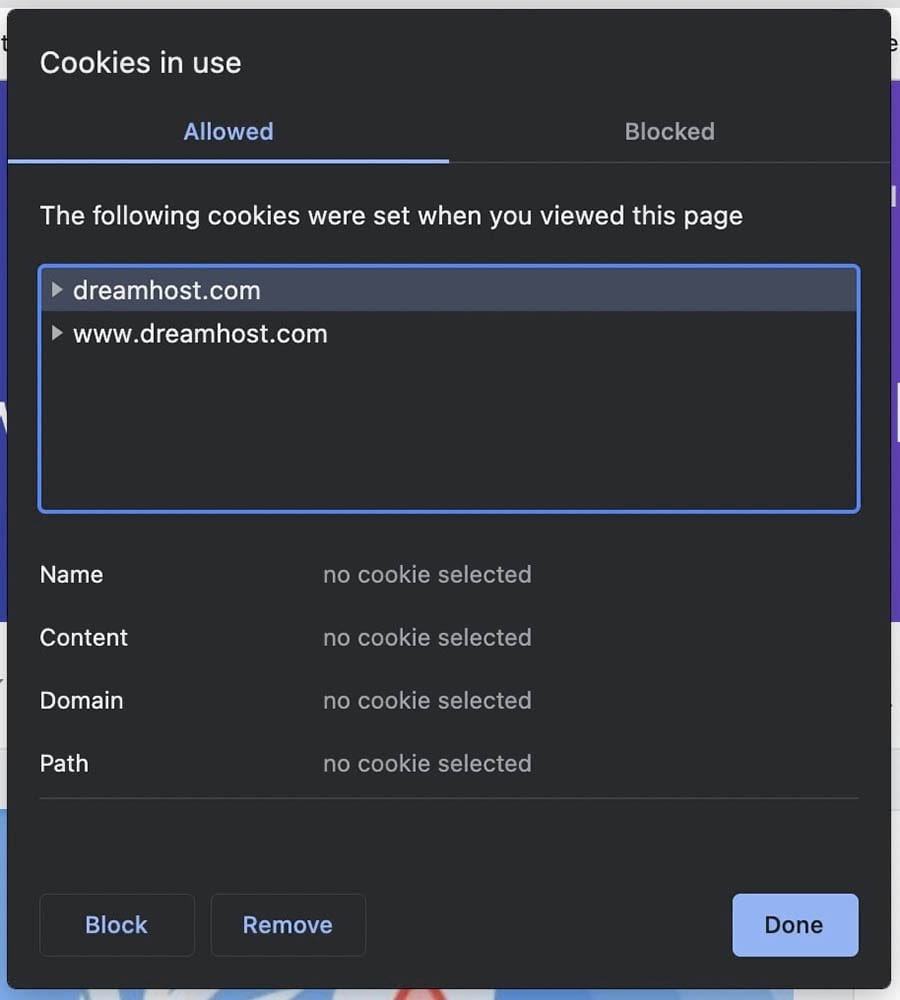
Highlight the domains displayed in the Allowed box and click Remove at the bottom. When the domains vanish, choose Done to conserve your modifications.
Now reboot your internet browser and attempt logging into WordPress once again. A brand-new cookie will be set if you click the Remember Me box.
To discover the length of time up until Chrome ends the cookie, simply go to the Settings menu once again. You can access it by clicking the 3 vertical dots in the top-right corner of your internet browser.
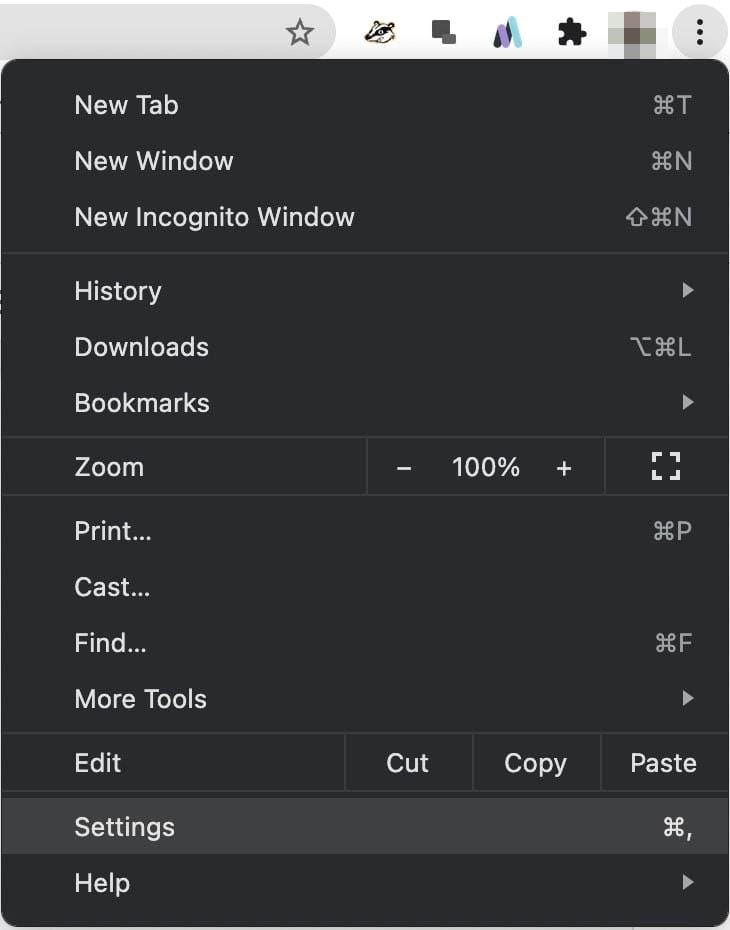
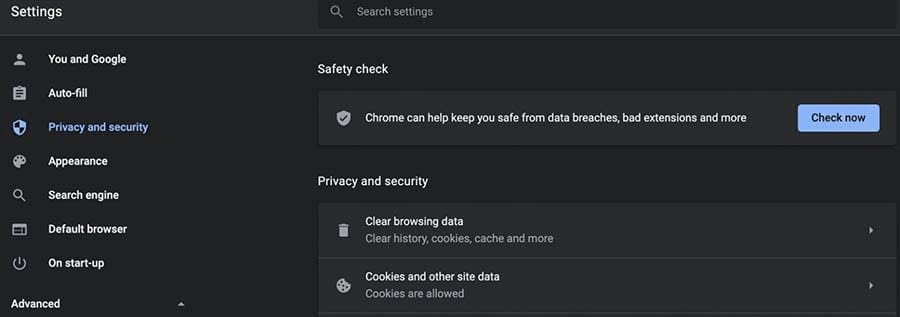
In the settings, click Privacy and Security in the left-hand sidebar. On the right-hand side, you will then see a choice called Cookies and other website information. Select it.
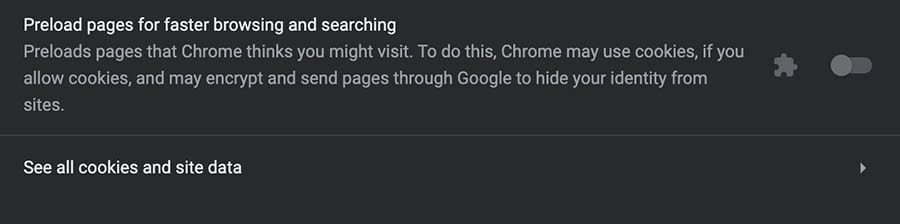
Scroll down the page till you see ““ See all cookies and website information. ” Click on it.
. 
You ’ ll now get a list of all the cookies on your computer system. Utilize the search box on top to discover the one you ’ re searching for. Simply enter the domain, and Chrome will reveal you what it has in storage.
. 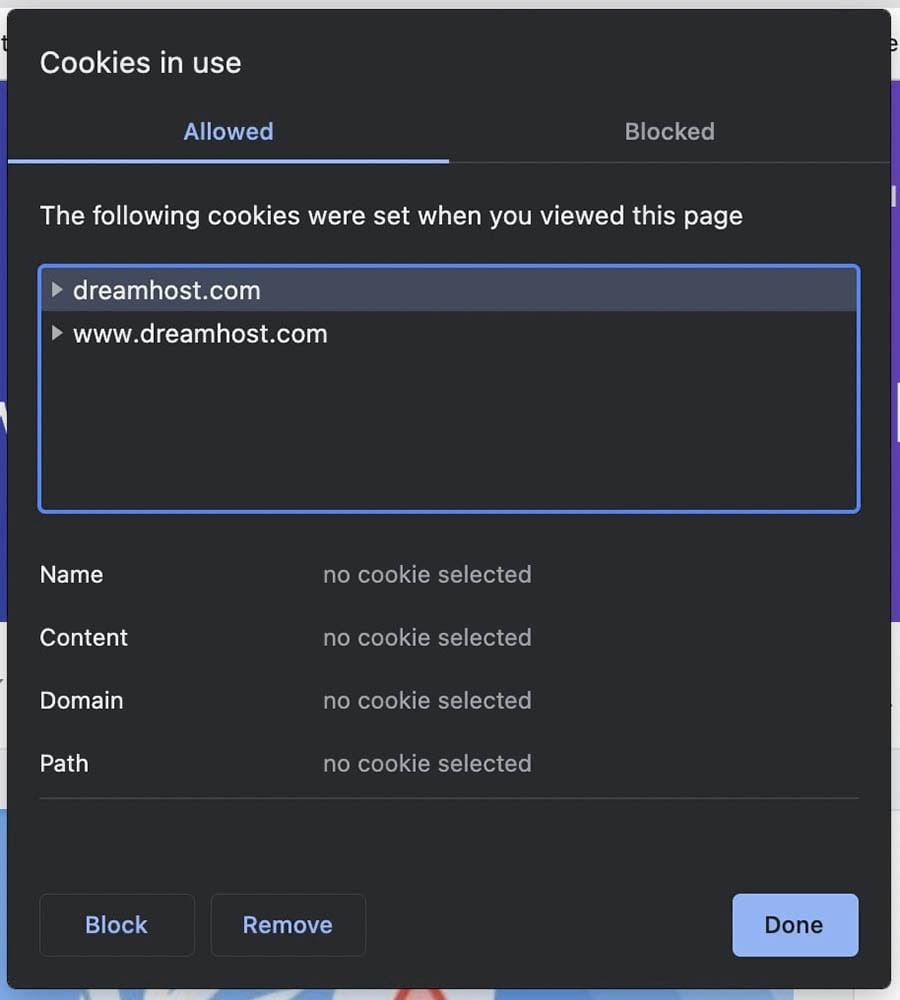
Click on the very first outcome, and you ’ ll get a list of each cookie. Select the cookie name and scroll down right to the extremely bottom, where you will see the expiration date.
. 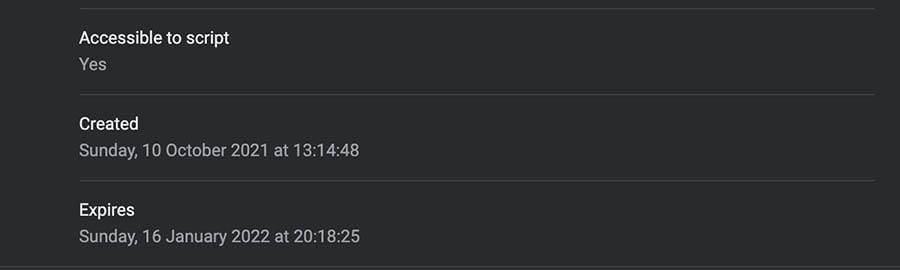
As you can see, this cookie stands for simply over 3 months. It even consists of the expiration time, so you understand when your cookie will require a replacement.
.
Related: Don ’ t Let Broken Links or These Common WordPress Errors Slow Your Site Down
.2. Clear Your Browser ’ s Cache.
If the logging out issue continues, it ’ s time to inspect your cache. A cache is a conserved variation of a site. Your internet browser utilizes this approach to keep details so pages will fill faster when you next go to the website.
.
However, if the page is cached in the web browser together with an ended cookie, it will likely keep logging you out. You ’ ll requirement to clear out the kept details.
Again, clearing a cache is extremely comparable with all significant web browsers, so we will concentrate on the most popular choice: Chrome. Go’to Chrome ’ s settings by clicking the 3 vertical dots in the leading right corner of the internet browser.
.
When the menu falls, select More Tools> Clear Browsing Data.
. 
Choosing Clear Browsing Data raises this box:
. 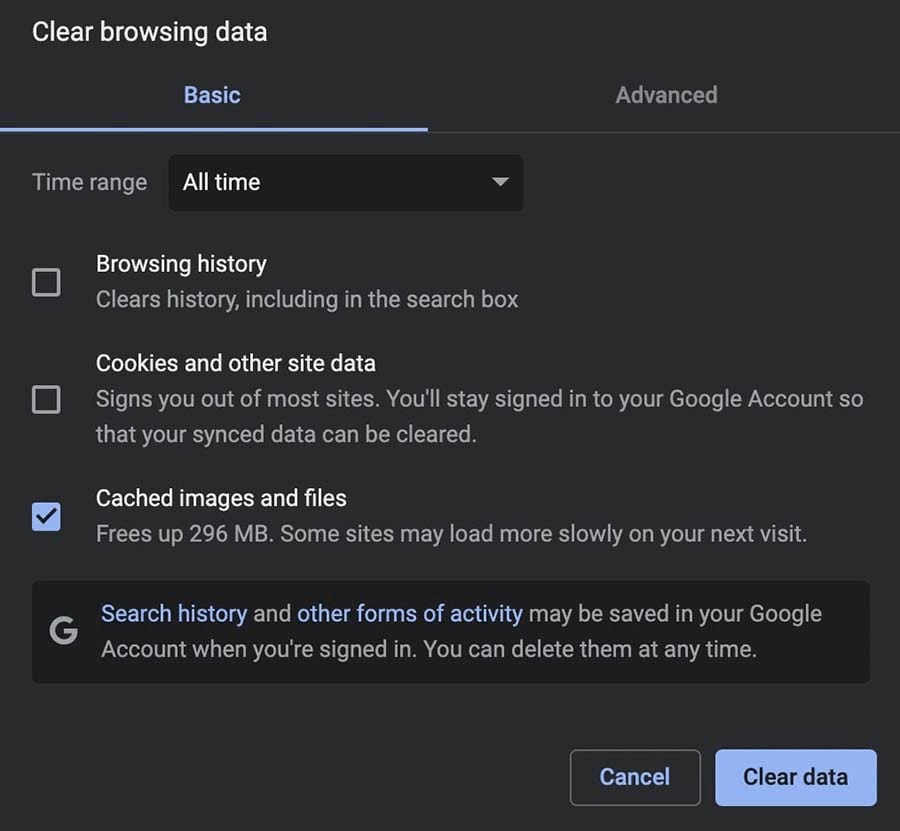
Tick Cached images and files and click Clear information. When package vanishes, reboot your internet browser. As you can see, you can likewise eliminate the internet browser cookies utilizing this approach.
.
Related: How to Implement Caching on Your WordPress Website
. 3. Inspect Your Browser Settings.
The logging out issue can likewise originate from your internet browser settings. If your web browser forces cookies to end, it will forget your login info. It will need you to log back in constantly.
.
You ’ ll requirementto reaccess your internet browser settings as you carried out in the primary step of this tutorial. Browse to Settings> Privacy and Security> Cookies and other website information. Here, you can see if any cookies are obstructed or made it possible for.
. 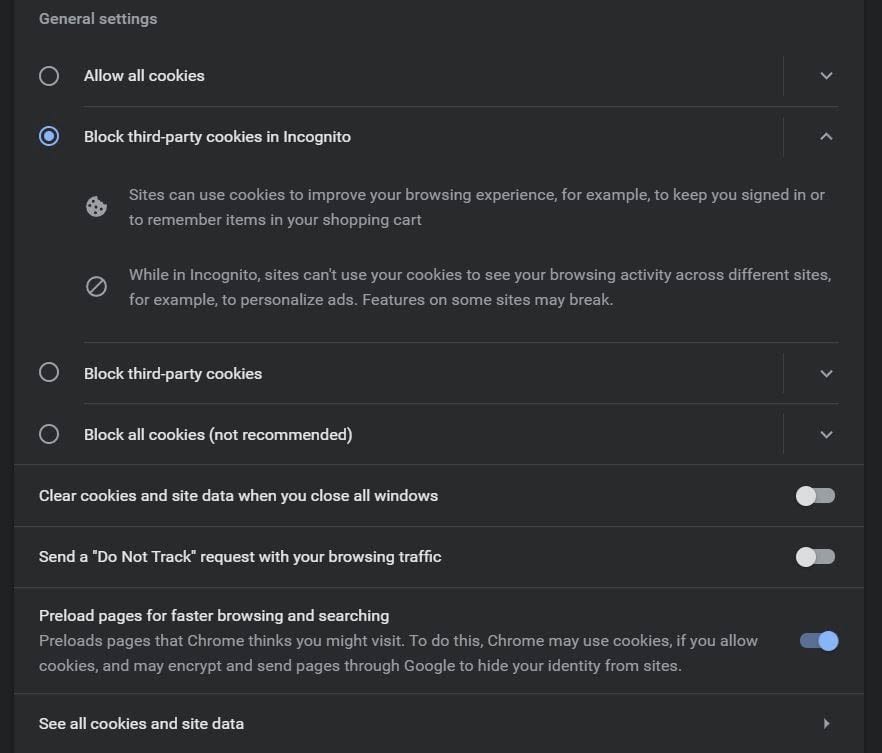
For example, you can see cookies are handicapped throughout Incognito mode in our web browser. There are likewise Block third-party cookies and Block all cookies alternatives. They might be interfering with your WordPress session and logging you out if either of these are allowed.
.
If this holds true, choose Allow all cookies by clicking the button beside it. Now your internet browser will conserve the cookie for your WordPress login session.
. 4. Clear Your WordPress Site ’ s Cache.
If you ’ re utilizing a WordPress caching plugin , this add-on might be at fault. It might be saving an obsoleted variation of your website, setting off the “ WordPress keeps logging out ” issue.
Site caches can be convenient to have, specifically if you’have a high-traffic site. Still, they have the prospective to cause issues down the line .
.
If you have a website caching option set up, there is normally a choice in the WordPress control panel to clear the cache with one click. It beings in the leading menu and normally states Delete Cache. [a] [b] [d] (Note: If you are utilizing the Proxy Cache Purge plugin, you will likewise see this alternative, however erasing its cache will not repair the logging out concern. )
. 
Once you click this button, WordPress will direct you to your caching plugin.You can then click Delete Cache or the particular control button for your software application.
.
The plugin might likewise ask you to verify your option or select particular cache aspects to purge. You can clear all of the saved products. It will immediately produce a brand-new cache when you refill your WordPress website.
.
Related: How to Create Your First WordPress Plugin
. 5.Double-Check Your WordPress Site Address.
In your WordPress website settings( under General), you can set the website URL to either “ http://www.yourdomain.com” or “ http://yourdomain.com”. Some individuals choose not having “ www ” prior to their domain for branding factors or to make their URLs much easier to type.
. 
However “, if” these 2 addresses wear ’ t match, WordPress might see the inconsistency and log you out by default. You ’ ll requirement to fix the problem to avoid the “ WordPress keeps logging out ” issue.
.
To repair the disparity, you ’ ll requirement to modify your wp-config. php text file. This file consists of crucial details for your WordPress site, such as its database connection information.
.
You can access this file utilizing a Secure File Transfer Protocol( SFTP) customer . Among the most popular choices is the
.
Start your SFTP customer and try to find the wp-config. php file. You can discover it in the root directory site of your domain.
.
Open the file and paste the following code into it. You ’ ll wish to switch out the example text for your own domain:
. specify’(' WP_HOME', 'http://example.com' ); specify(' WP_SITEURL',' http://example.com');.
Now conserve the file and close your SFTP customer. After that, you can return to your WordPress control panel to inspect if the issue is fixed.
.
Easily Build Your Dream Website
Don't understand code? No issue. Our DIY Website Builder makes constructing a site as simple as sending out an e-mail.
.
. 6. Disable and Re-enable WordPress Plugins.
Still no luck repairing the “ WordPress keeps logging out ” issue? Not to stress, there are a couple of more things you can attempt. The next troubleshooting action is looking for a plugin dispute.
.
A plugin is an add-on that you have actually set up on your WordPress website. You might have sourced it from the Plugins area on your website or through the WordPress plugin directory site .
.
However, numerous plugins utilize cookies to operate on your website. They may activate the logging out issue if these cookies have actually ended.
.
Additionally, poorly-coded plugins might hinder your WordPress website. You ’ ll requirement to determine if any add-ons are triggering login or logout problems.
.
If you just have a couple of plugins , this will be a simple procedure. If you have numerous add-ons, this is going to take a while!
.
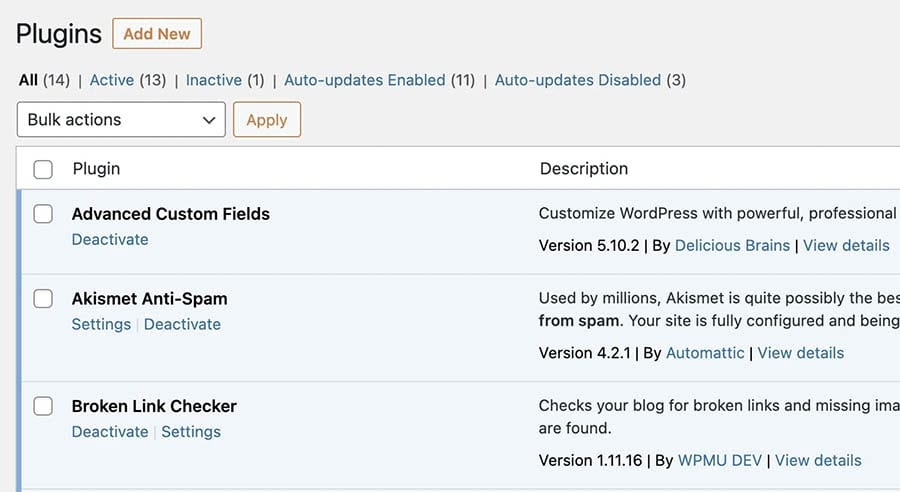
You can shut off plugins by heading to Plugins> Installed Plugins in your WordPress control panel.
. 
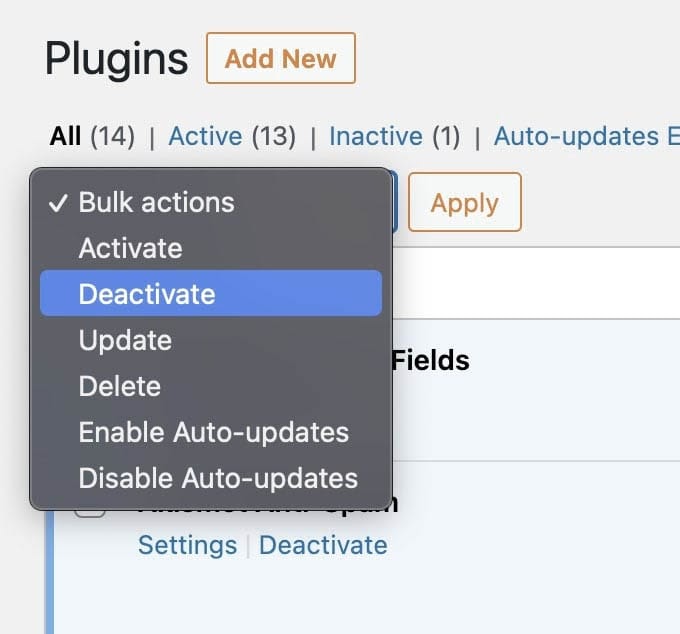
Tick package beside Plugin and gain access to the drop-down Bulk actions menu. Select Deactivate and after that Apply. This procedure will shut off all your plugins.
. 
Now you ’ ll requirement to reactivate each plugin and testto figure out if it is the concern. You can do this by allowing them one at a time, logging back into your WordPress control panel, and examining to see if they set off the issue.
.
If you discover the offender, you ’ ll wish to erase it from your site. You might even wish to get in touch with the pertinent designer to let them understand their add-on is operating improperly.
.
However, expect the logging out issue avoids you "from accessing your Plugins control panel. Because case, you can finish the procedure with an SFTP customer. You ’ ll requirement to open up your site ’ s wp-content folder and look for Plugins.
. 
Deactivate all your plugins by relabeling the folder tosomething like “ plugins_old ”. You can browse back to your WordPress control panel and follow the manual procedure we explained in the past.
.
Related: How to Pick the RightWordPress Theme for Your Website
. 7. Look For Theme Conflicts.
The next possibility is a poorly-coded style. WordPress has lots of premium styles offered.
.
However, as an open-source CMS, any designer can develop a style. “a poorly-coded one can slip through the fractures. It can then trigger problems on your website, such as the “ WordPress keeps logging out ” issue.
.
Every WordPress setup features the pre-installed Twenty Twenty-One style . You can rapidly and quickly inspect for a style dispute by reverting your website to this default alternative. You can identify if your previous option was triggering the logging out concern.
.
To change styles, go to Appearance> Themes in your WordPress control panel. You will then see your offered alternatives, consisting of the Twenty Twenty-One style.
.
However, if you erased this style, you can re-install it for this tutorial. Type the name into the search box and choose Twenty Twenty-One.
. 
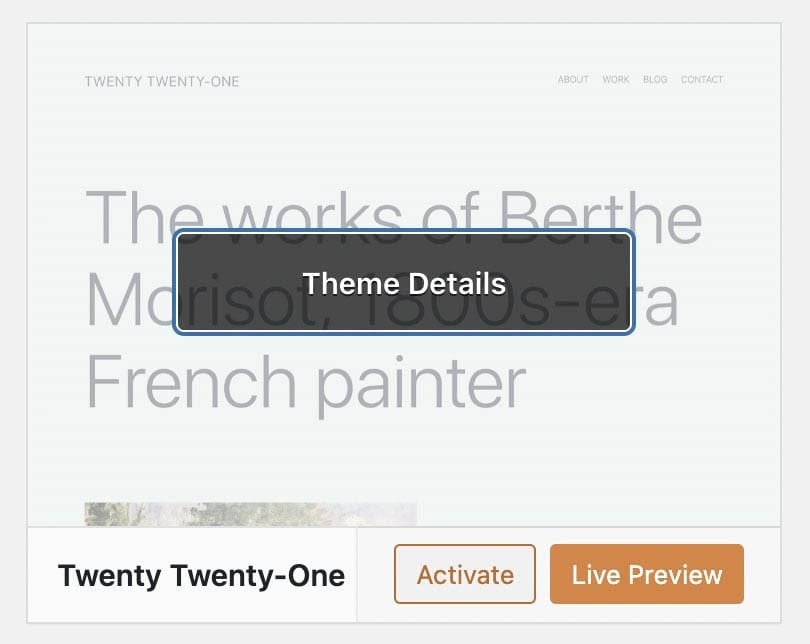
Mouse over the Twenty Twenty-One style and click the Activate box that appears.
. 
The website will now change to the Twenty Twenty-One style. If that repaired your issue, now log out and back into WordPress and see. If it does, you may wish to think of altering your style tosomething else.
.
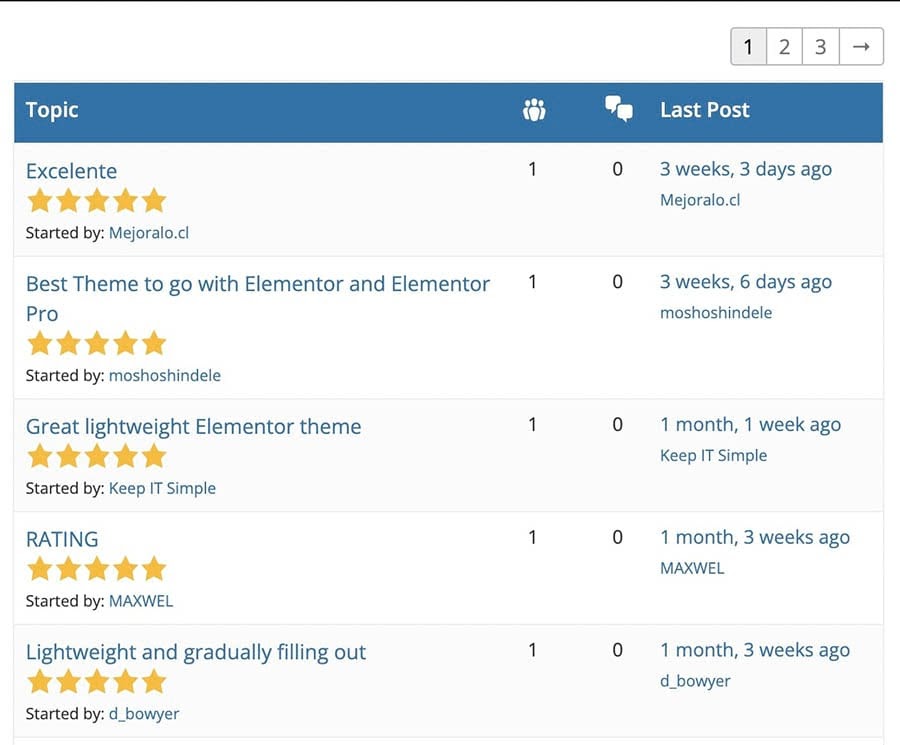
To prevent setting up poorly-coded styles, you can check out the evaluations from other users. Simply go to the WordPress style directory site and look for the name of the style.
.
On the right-hand side, you ’ ll see the style ’ s star ranking, which will provide you a fast introduction of its appeal.
. "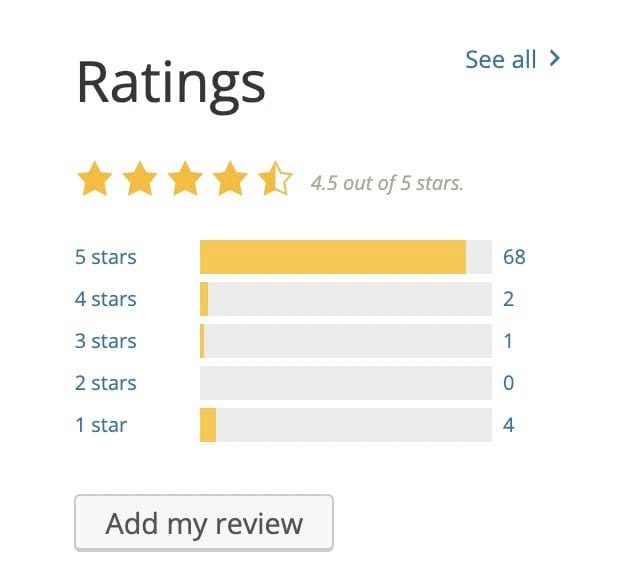
Now click the See all link on top to check out the evaluations.
. 
You need to likewise constantly monitor your Updates area in WordPress to see if your style has a brand-new variation offered. Doing this will make sure that you get all the current security updates and bug repairs. You can discover updates at the top of your left-hand sidebar.
. 
By setting up all updates and verifying the security of a style prior to you install it, you can prevent utilizing a poorly-coded choice.
. 8. Contact Your Hosting Provider.
By now, you ’ ve most likely found what was triggering your WordPress logging out issue. In the unlikely occasion that it is still occurring, you might require to call your web hosting supplier for help. The problem might be a domain or server misconfiguration.
.
If your hosting business is DreamHost, simply contact our consumer assistance group ! They will be more than delighted to assist you resolve the issue.
.
You ’ re Cordially Invited
.
Join DreamHost ’ s Facebook group to get in touch with similar site owners and get recommendations from specialists and peers alike!
.
. Repairing Other WordPress Problems.
If you ’ re encountering any other concerns with your WordPress website, we have a detailed list of repairing tutorials:
. How to Fix the “ Too Many Redirects ” WordPress Error How to Troubleshoot the WordPress White Screen of Death How to Fix the 500 Internal Server Error in WordPress How to Fix Syntax Errors in WordPress How to Fix the WordPress Not Sending Email Issue How to Fix the Error Establishing a Database Connection How to Fix WordPress Error 404 Not Found How to Fix White Text and Missing Buttons in WordPress Visual Editor How to Fix the Sidebar Below Content Error in WordPress What to Do When You ’ re Locked Out of the WordPress Admin Area How to Fix “ Upload: Failed to Write File to Disk ” WordPress Error How to Fix the Missed Scheduled Post Error in WordPress How to Fix the Facebook Incorrect Thumbnail Issue in WordPress .
If you require more support, you can have a look at our WordPress tutorials . These skilled guides can assist you master your admin control panel in no time!
.
Related: How to Back up Your WordPress Website-- A Complete Guide “
. Conclusion.
The “ WordPress keeps logging out ” issue can be aggravating. As we ’ ve simply seen, you can utilize several troubleshooting techniques to fix the problem and determine.
.
By following the list we have actually supplied here, you can begin with the most simple possibilities and slowly work your method as much as the more lengthy ones. Clearing cookies and caches takes less than a minute. Separately inspecting plugins can consume up a lot of time.
.
Are you trying to find a WordPress host that can assist you out with any technical issues? At DreamHost, we have an assistance group that can stroll you through any website-related concerns. Take a look at among our — WordPress hosting plans today!
.
The “post How to Fix the “ WordPress Keeps Logging Out ” Problem( 8 Methods) appeared initially on Website Guides, Tips &Knowledge .
.
Read more: dreamhost.com
WordPress software is free — and open-source at that. Anyone can go to WordPress.org and download the latest version in order to manage, post, and publish on the web. This is a huge part of why WordPress now powers over 30% of the entire internet!
But if WordPress is free, you may be wondering, then why do WordPress websites cost money?
Excellent question!
Think about WordPress as a state-of-the-art kitchen that lets you cook up any number of interesting dishes. Even if you own a gorgeous kitchen, you’d still need a house to put it in. You’d also need an address so people could come over. And you might want to paint the kitchen cobalt blue and add an over-the-top neon yellow backsplash — no judgment.
OK, a little judgment.
The point is, WordPress can’t operate on its own. To get a fully functional website, you’ll need to spend money on a few other essentials, such as WordPress hosting, a domain name, and a WordPress theme.
Just as with the kitchen example, there’s no one true way to build your WordPress website. Depending on your preferences, the costs can range from less than $100 per year all the way up to thousands of dollars. But no matter your budget, there’s a solution out there that will meet your needs.
In this article, we’ll explain what you need to build a site and why. Then we’ll answer the following questions (feel free to skip ahead to the section that most applies to your website goals):
Can I Build a Free WordPress Website? How Much Does it Cost to Build a Budget WordPress Website? How Much Does It Cost to Build a Mid-Range WordPress Website? How Much Does It Cost to Build a Small-Business WordPress Website? How Much Does It Cost to Build an E-commerce Site with WordPress? How Much Does It Cost to Build a Custom WordPress Website?
Finally, we’ll talk about ways you can keep hosting costs low, so you don’t overpay to set up the perfect site. Ready to get started? Let’s talk $$$.
Launch Your Website with DreamPress
Our automatic updates and strong security defenses take server management off your hands so you can focus on creating a great website.
What Does It Take to Build a WordPress Website? (8 Key Steps)
A WordPress website can be up and running in a matter of seconds. However, depending on your end goal and the host you choose, certain elements may be more time-consuming than others. To help you prepare ahead of time, we’ve put a list together of eight key steps for building your new site.
Step 1: Choose a Domain
Naming your site after your business might seem like the most logical approach when choosing a domain name. There are some other factors to consider, however, before you sign off on your site’s name.
We’ll cover domain costs in detail later on, but names can range from free to more than $1,000, depending on what you want. Fortunately, we offer many options when it comes to domain names.

You can choose from a wide variety of Top Level Domains (TLDs), including premium domains like .inc, .io, .tech, and .shop. With over 400 options, we’re pretty sure you’ll be able to find something to fit your website.
Most of all, it’s essential to remember that picking a memorable name can help with promoting your business or website later on. You’ll want to strike the right balance of professionalism and branding. Since so many domain names end in.com, for example, it might be worth your time to explore other TLDs.
Related: The Top 11 SEO Best Practices for Domains
Step 2: Pick Out a Hosting Plan
Of course, many hosting plans come with a free domain name. That’s how we approach it here at DreamHost Getting your domain and hosting from the same place can save you time and make managing your site easier in the long run.
When you review your options for web hosting, you’ll want to keep in mind a few essential criteria, such as:
Included software. If you need one-click installation options or pre-installed e-commerce features, make sure to review what extras your chosen host offers. Provided security. Keeping your plugins and other software up-to-date is crucial for site security. If you know you’d rather have those tasks handled by a managed host, you’ll want to be sure that is an offered service. Available support. Running an e-commerce store can sometimes mean your site has to run smoothly through all time zones, so your tech support should too. Scheduled backups. In case the worst-case scenario does happen, it is a good idea to review your host’s backup and restore protocols.
Regardless of your final decision, your hosting provider is your site’s partner. So it’s wise to review your options carefully before making a choice.
Related: Do I Need Managed WordPress Hosting?
Step 3: Decide on a Content Management System (CMS)
Here at DreamHost, we are pretty vocal about our love of WordPress. As a Content Management System (CMS), it is highly flexible and easy to use. Built on open-source programming, WordPress is always free to download and install.
It’s important to assess your needs and pre-existing skills, however. There are several popular CMSs on the market, and none is perfect for every application.
It’s also vital to understand the difference between a CMS and a website builder before making your final decision. WordPress comes with a user-friendly interface backed by a sophisticated MySQL database, which means both beginners and experts can easily build amazing websites. Website builders can serve the basic needs of small sites, but struggle when it comes to providing more complex functionality.
Step 4: Select a WordPress Theme to Fit Your Goals
If you’ve already established your site’s brand and niche, you’ll be better able to choose a WordPress theme. That’s because WordPress themes come in many shapes and specialties.
Keep in mind, however, that themes are pretty easy to customize. So if you like the base offering of a particular theme, but you want a different color palette, you can probably make that change. That’s why it’s a good idea to read through a theme’s features and functionalities before you pick one.
Often, you can also start out with the free version of a theme to give it a test drive before upgrading for more features. Premium themes can range from $20 to over $100. Reading reviews for the themes you like and checking out other information, such as when the latest update was made, are key ways to make sure your decision is one you can live with long-term.
Related: Tutorial: How to Install a WordPress Child Theme
Step 5: Purchase a Secure Sockets Layer Certificate
We don’t mess around when it comes to website security. Many of our plans come with a SSL certificate pre-installed. This certificate adds a critical “s” to your web address.
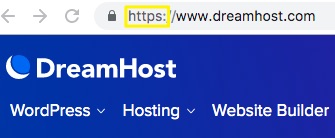
An SSL certificate lets your visitors know that any data they share with your site, such as payment information, will go through a secure connection. You can purchase these certificates through third-party services, as well as through your web host.
Step 6: Install and Manage Useful Plugins
Plugins often become an essential part of your website’s maintenance and core functionality. These are packets of code that “plug in” to your WordPress platform to extend and enhance its features and options.
If you’re setting up an online shop, for example, many e-commerce plugins can help you coordinate digital payments, keep track of inventory, or connect to other services you’d like to use. Additionally, there are many plugins available for streamlining your workflow, enhancing your site’s security, driving conversions, and much more.
Step 7: Set Up and Customize E-Commerce Features
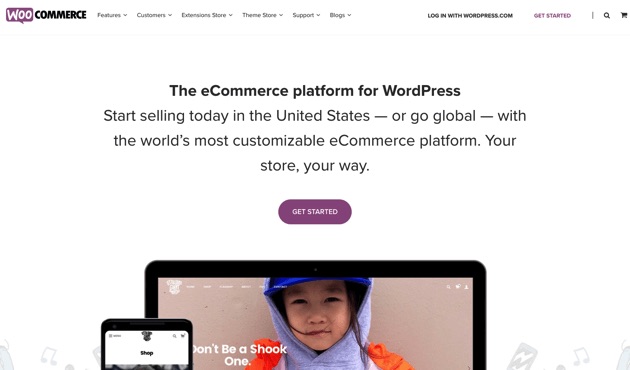
Once you’ve chosen and customized your theme, added some useful plugins, and secured your site, you can make sure your online store is ready to roll. If you’re using WooCommerce, the most popular e-commerce plugin for WordPress, getting started is easy.
You can also check with your hosting service to see if any e-commerce tools come pre-installed.
If not, WooCommerce is a free plugin available in the WordPress Plugin Directory and has many optional premium add-ons.
Step 8: Be Strategic and Honest About Your Time and Resources
Building your website can take a while. It’s best to prepare and plan for the appropriate amount of time, so you aren’t rushed during the process. Setting up yourself and your team for success means being realistic about your resources.
Therefore, give yourself time to plan out what you want and decide on the tools you’ll use. Gathering feedback on your ideas prior to beginning development can also help you avoid roadblocks later on.
Related: 13 Simple Ways to Boost SEO on Your WordPress Website
Can I Build a Free WordPress Website?
“I don’t mind limited functionality as long as it’s free.”
When you just need to get a site up and you’re not picky about its functionality, there’s no price point like free. You can visit WordPress.com and set up a blog in minutes for no money down.
This is perfect for the person who wants a bare-bones blog, but this option does come with some significant drawbacks:
A unique domain name isn’t included, so your URL will end with .wordpress.com. Since you’re sharing the free resources with all of WordPress.com’s other users, you have a very limited amount of bandwidth and storage space. You can’t have a custom blog design. WordPress.com will place ads on your site that you can’t remove unless you upgrade to a paid account.
As they say, there’s no such thing as a free lunch. But if you’re willing to go with the flow and don’t mind the limitations, a $0 WordPress blog might be what you’re looking for.
Free WordPress Website Costs WordPress.com Free Domain Name Not included Basic WordPress Theme Free TOTAL $0/year How Much Does it Cost to Build a Budget WordPress Website?
“I don’t want to spend a lot of money.”
Perhaps you’re starting a site for the first time and just want to test the waters. Or maybe your blog is purely for fun, and you don’t want to put too much money into a hobby. In this situation, you’ll want to cover the basics but not much else. Here’s what you’ll need.
Unlimited Shared Hosting: $71.40/year
This is one of the most affordable hosting services. When you buy shared hosting, your site lives on a server with a group of other customers’ websites, and everyone shares the price. With a 100 percent uptime guarantee and 24/7 support, DreamHost shared hosting is ideal for customers with one or even a handful of small websites, like blogs or portfolios.
You can get our Unlimited Shared plan for $10.95 a month, but the best deal comes when you lock in for three years of hosting at a time ($5.95/mo)!. Most importantly, shared hosting comes with a one-step WordPress setup, so there’s no tech know-how necessary.
Domain Name: Free with Annual Hosting Plan
Hosting gives your website a place to live, and a domain name is the address people use to find that space. It’s the URL people type into their browser to find the site. Registering a domain name can cost anywhere from $10 to thousands depending on demand, but when you purchase an Unlimited Shared hosting plan, you get a domain name included for free.
WordPress Theme: Free from the WordPress Theme Directory
Once you have a home and an address, it’s time for the fun part — decorating the place! When it comes to how your website looks, WordPress offers a lot of free options.
You can browse the WordPress Theme Directory to find different looks for your site, and search more specifically by features like color, number of columns, and customizable elements. Better yet, every theme in the directory has been specially vetted by WordPress for quality control.
Budget WordPress Website Costs Unlimited Shared Plan (3-year term) $71.40/year Domain Name Free WordPress Theme Free TOTAL $71.40/year
Be Awesome on the Internet
Join our monthly newsletter for tips and tricks to build your dream website!
How Much Does It Cost to Build a Mid-Range WordPress Website?
“I’m willing to pay a little more for a few great features.”
If you run a small business website or a popular blog, you might want to consider bumping yourself up to the next price tier for improved customization and features.
DreamPress: $203.40/year
If you’re looking for a premium, WordPress-specific, managed hosting solution, your dreams have come true. DreamPress is all that and more. Not only is it optimized to support a high-performance WordPress site and make website maintenance a snap, but it also comes with 24/7 support from our WordPress experts.
Domain Name: Free with Annual Hosting Plan
Once again, a domain name is included when you buy an annual hosting plan from DreamHost.
WordPress Free and Premium Themes: $0–$80 (average)
Working on a budget is common for startup sites. Fortunately, when it comes to WordPress, you have options that cover the entire spectrum. There are thousands of free themes available in the WordPress Theme Directory to get started with. Plus, you can often upgrade a free theme if you like how it works, typically for anywhere between $20 and $80.
Mid-Range WordPress Website DreamPress $203.40/year Domain Name Free WordPress Theme $0-$60 TOTAL $203.40-$263.40/year How Much Does It Cost to Build a Small-Business WordPress Website?
“I am just getting started, but I want some e-commerce functionality.”
As your site gains more traffic and your business expands, you will likely need to get as much ‘bang for your buck’ as possible. Looking for all-in-one solutions from the very beginning is a smart way to prepare.
DreamPress Plus Hosting: $299.40/year
With even more features and none of the technical slog, DreamPress Plus takes care of all the WordPress upkeep so you can focus on your content. Plus, it’s speedy — five times faster than shared hosting.
This service is also designed to scale, so you don’t need to worry about your site ever overloading. What’s more, you’ll get free access to Jetpack Professional, the gold standard for WordPress backups and security.
Domain Name: Free with Annual Hosting Plan
Domain names never break the bank when you host with us. DreamHost annual plans come with a free domain.
Premium WordPress Theme: $20–$80 (average)
For a more unique look and additional features, you can choose from a variety of premium WordPress themes at marketplaces like StudioPress and Pixel Union. Not technical? Many premium themes come with easy-to-use site-building tools for additional customization options.
Small Business Website DreamPress Plus Hosting $299.40/year and up Domain Name Free Premium WordPress Theme $20-$80 TOTAL $319.40-$379.40/year
Related: 10 Easy Social Media Tips for Your Hard-Working Small Business
How Much Does It Cost to Build an E-Commerce Site with WordPress?
“I need all the bells and whistles for a streamlined online store.”
If your bread-and-butter revenue comes from online sales, there can be a lot of moving parts to keep track of. Upgrading to a hosting plan that specializes in e-commerce can solve a lot of issues.
DreamPress WooCommerce Hosting: $203.40+/year
DreamHost’s WooCommerce hosting packages are primed for online sales. They’re pre-loaded with the WooCommerce plugin and the Storefront theme, so you can be up and selling in no time. Additionally, our WooCommerce hosting packages all come with a pre-installed SSL certificate so your customers can make their online purchases with confidence.
Domain Name: Free with Annual Hosting Plan
With an annual plan, you don’t have to worry about dishing out extra cash for a domain name.
Premium WordPress Theme: $20–$80 (average)
When it comes to running an e-commerce website, it might be worth upgrading your theme. Not only will your store look more professional, but it’s also likely to function better and be easier to customize. Many premium e-commerce themes come with pre-installed plugins that are useful for online stores and are ready to go when it comes to accepting digital payments.
E-Commerce WordPress Website WooCommerce Hosting $203.40/year and up Domain Name Free Premium WordPress Theme
$20-$80
TOTAL $223.40-$283.40/year How Much Does It Cost to Build a Custom WordPress Website?
“I want the best WordPress site money can buy.”
Got a high-traffic website — or just want to be catered to? Live in the lap of luxury with the best hosting, security, and custom design out there.
DreamPress Pro Hosting: $863.40/year
If your site has high-capacity needs and top-of-the-line performance requirements, we created DreamPress Pro just for you. We can help you handle over one million monthly visitors to your site. DreamPress Pro comes with more storage and memory as well, plus all the features available with our other DreamPress plans.
Additionally, you’ll get access to DreamCare with your Pro plan. This is an elite force of highly-skilled, in-house WordPress experts who will be keeping an eye on your site, troubleshooting problems, and offering solutions when you need them.
Domain Name: $11.95 and up
Once again, you get a free domain name with your annual hosting package. For a custom website, however, you may also want additional domain names that redirect to your site. That way, both cupcakesbyhannah.com and cupcakes-by-hannah.net direct visitors to the same place so potential customers can easily find you.
Web Designer/Developer: $1,000–$10,000
Forget a packaged theme. If money is no object, why not work with a professional designer to build your ideal WordPress site from the ground up? Designers’ fees can vary widely, depending on their experience level and your local market. In general, however, you can expect to spend a minimum of $100 an hour to work with one.
If you’re not sure how to select a web developer or designer and would rather go with a recommendation you can trust, you’re in luck. Here at DreamHost, we can confidently recommend checking out our friends at RipeConcepts. Their team of highly-skilled WordPress designers can bring your visions to life. Plus, you’ll receive special DreamHost customer pricing!
Custom WordPress Website DreamPress Pro Hosting $863.40/year Domain Names $11.95 and up Web Designer/Developer $1,000-$10,000 TOTAL $875.35/year and up (not including designer/developer costs) The True Cost of Building a Website with WordPress
Pricing out a website build from start to finish can include quite an intimidating list of items. It’s necessary to remember, however, that there’s a hosting plan out there for every budget.
Whatever your approach might be, we’re here to help you manage your site’s hosting, so you can focus on running your business. We offer plans to suit a diverse range of needs – check them out today!
The post How Much Does It Actually Cost to Set Up a WordPress Website? appeared first on Website Guides, Tips and Knowledge.
Read more: dreamhost.com
Let’’ s deal with the elephant in the space right off the bat –-- GoDaddy doesn’’ t have the very best credibility amongst users. They ’ ve aimed to remedy this by releasing hosting strategies and tools that target innovative users, such as GoDaddy Pro .
With GoDaddy Pro, the service wishes to supply you with an experience comparable to handled WordPress hosting, with a specific concentrate on running numerous websites. In this post, we’’ ll have a look at GoDaddy Pro and let you understand how excellent it is.
Let’’ s dig in!
. A Quick Look at GoDaddy and Its History.

GoDaddy is among the most significant and most widely known names in hosting and domain registration. It’’ s been around because 1997 and at present count handles around 18 million consumers , which is an incredible figure for this kind of service.
However, they’’ re not precisely popular amongst more professional web users. Throughout its history, GoDaddy has actually built up rather of a credibility for bad efficiency and assistance, which are 2 of the foundations of a fantastic webhosting. You wear’’ t need to take our word for it either, a fast Google look for ‘‘ GoDaddy evaluates ’ will offer you an’concept of what we ’ re discussing:
.
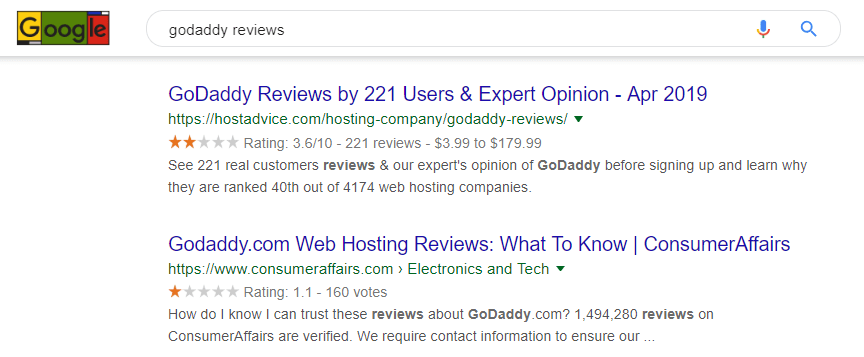
Despite this, GoDaddy has a lot of other positives to allow them to keep its lead as both a registrar and webhosting. They likewise have a history of aggressive marketing , which is among the factors they’’ re so popular. Plus, throughout the previous couple of years, they’’ ve been making an effort to provide much better tools and services to WordPress users –-- among which is GoDaddy Pro.
.GoDaddy’’ s Acquisitions in the WordPress Space.
When it concerns webhosting, a great deal of service providers head out of their method to deal with WordPress users. That’’ s simple to comprehend because WordPress powers generally a 3rd of the web . GoDaddy is no exception, and has actually introduced itself in headfirst into the WordPress environment.
GoDaddy is likewise among the primary sponsors of WordCamp occasions and they likewise utilize a full-time factor to WordPress’ ’ core. In addition, they’’ ve obtained a variety of WordPress-centric services throughout the ins 2015, consisting of:
ManageWP : This platform allows you to handle numerous WordPress sites from a single location. WP Curve : A service that supplied access to WordPress professionals for little upkeep and advancement tasks. Sucuri : An all-in-one security service and WordPress plugin.
It’’ s worth keeping in mind that these acquisitions occurred from 2016 onwards. The GoDaddy Pro service itself shown up in 2015 . Ever since, functions of these 3 services have actually made their method into GoDaddy Pro, primarily from ManageWP. GoDaddy Pro Sites completely relies on the ManageWP platform , which we’’ ll describe in the next area.
.What is GoDaddy Pro?
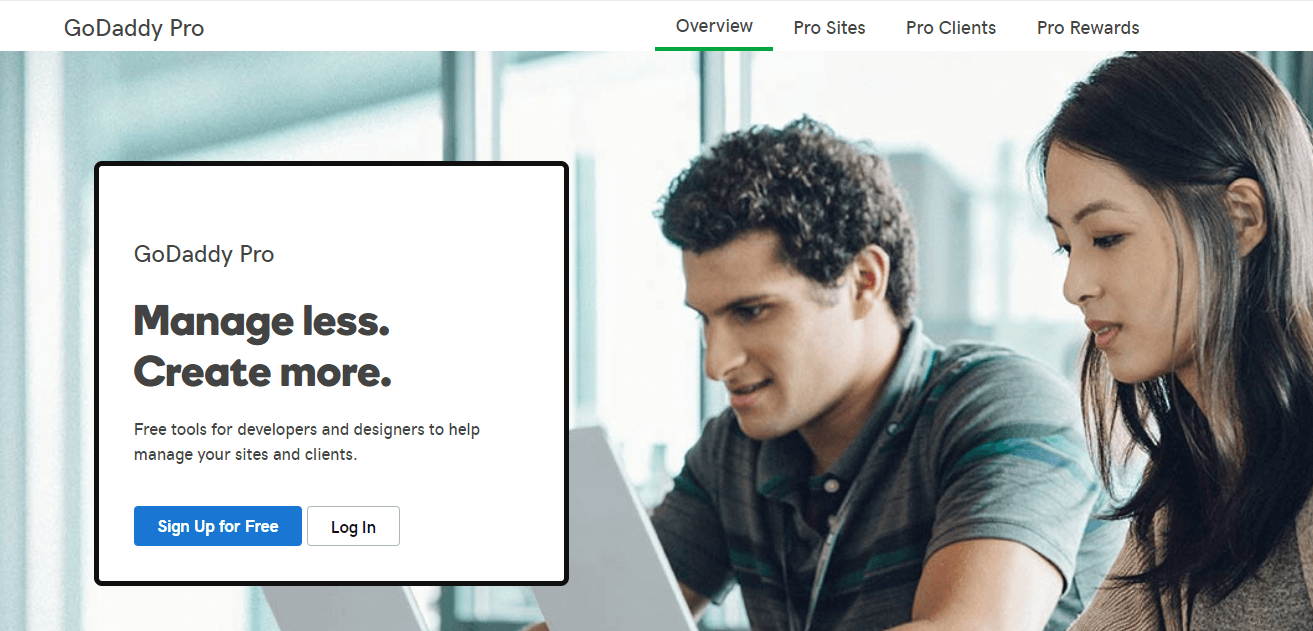
What we call GoDaddy Pro is really a collection of 3 various services –-- Pro Sites clearly, Pro Clients (which lets you straight handle customer WordPress sites and register consumers for GoDaddy’’ s strategies and services), and Pro Rewards (an affiliate program for GoDaddy strategies and services).
The Pro Sites service utilizes the ManageWP platform and it offers you with all the functions the latter generally deals. This implies you can upgrade numerous websites, get access to reports, set up and uninstall plugins and styles, log into your control panels with a click, and more. The base Pro Sites service is totally free and it supports non-GoDaddy websites too through a plugin called ManageWP Worker to link websites to its platform.
So far, so excellent! The genuine intriguing element of GoDaddy Pro’’ s offerings is its Pro Clients service. With this service, you get access to a single control panel you can utilize to monitor and handle your customer sites:
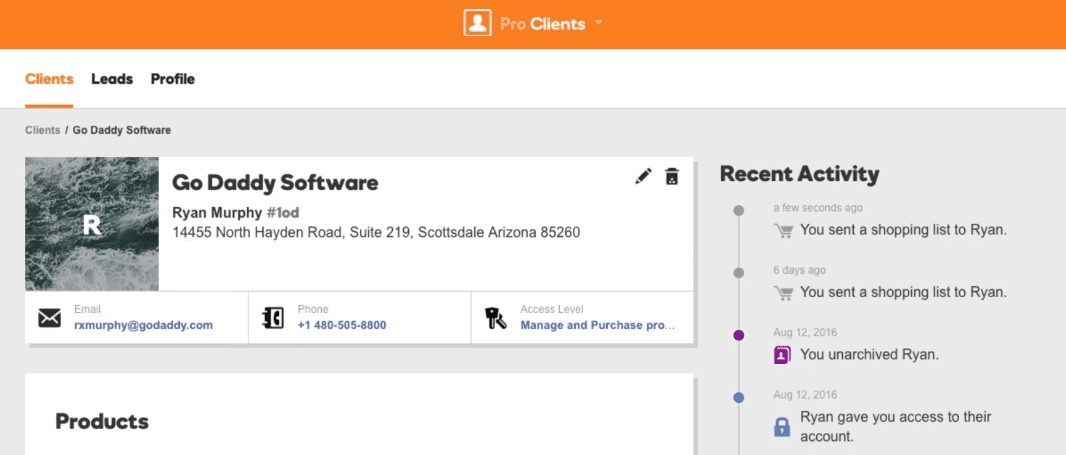
We’’ re moving past the functions ManageWP provides now and into an entire brand-new area. With Pro Clients, you can log into customer sites with a single click, set up hosting settings, handle domains, e-mail, and more. Many of those innovative settings just work for customers that utilize GoDaddy’’ s services:
.
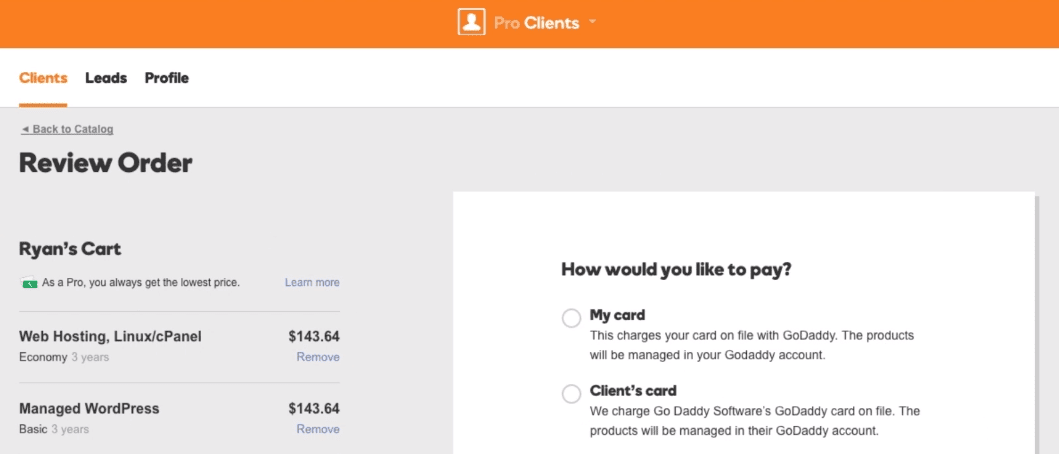
Pro Clients likewise allows you to suggest particular product or services to customers from within the platform. You can recommend a brand-new hosting strategy for an account, pay for it yourself, send the costs to your customer, or purchase it on their behalf if they’’ ve licensed you. Obviously, this just deals with GoDaddy items, which is where GoDaddy Rewards can be found in.
This is basically an affiliate program that provides you discount rates on GoDaddy items and makes you points towards future purchases. The discount rate themselves are good (30% off whatever) and the objective is, naturally, to lock you into the GoDaddy community.
Now, you have a complete image of whatever GoDaddy Pro uses, let’’ s discuss whether it ’ s an excellent alternative for you or not.
.Should You Consider Using GoDaddy Pro?
Part of the GoDaddy Pro services included strings connected. Pro Sites itself is totally free and it depends on ManageWP, so it’’ s an excellent choice despite whether you’’ re a GoDaddy customer or not-- as long as you have numerous websites to run.
Pro Clients, on the other hand, is just an excellent choice under 2 scenarios:
.A substantial variety of your customers are currently ‘‘ locked ’ into the GoDaddy community. You put on’’ t mind suggesting GoDaddy items to your clients.
GoDaddy really provides quite good efficiency throughout the board on its WordPress strategies. Client assistance still has a long method to go. What’’ s more, a great deal of their strategies are more pricey than other ‘‘ standard WordPress hosting’ ’ rivals, with less functions.
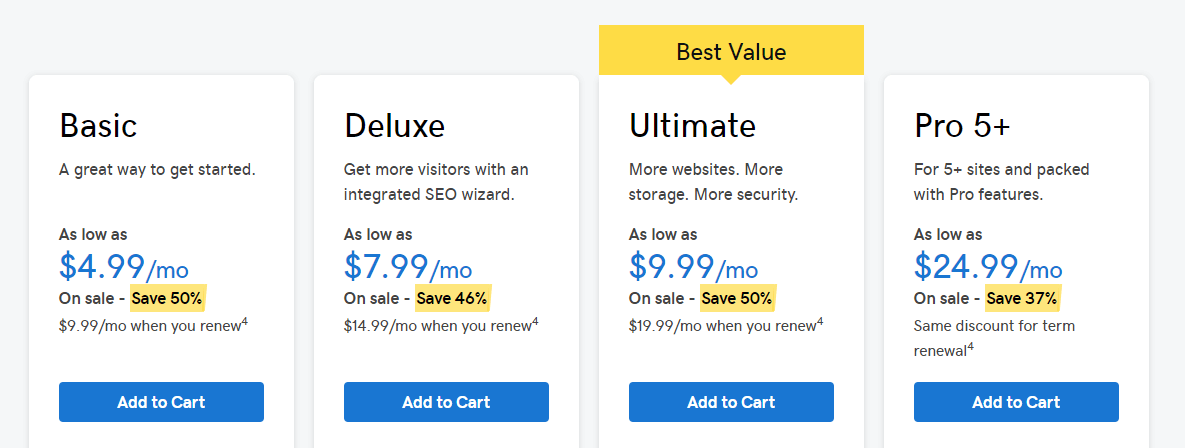
Overall, GoDaddy stays primarily tailored towards users who wish to establish little sites without requiring innovative hosting functions. If you require more firepower or performance, a lot of other hosts can beat GoDaddy’’ s offerings at comparable or lower rates.
GoDaddy Pro itself is a program of the webhosting’’ s dedication to providing more and much better tools for WordPress users. Even if it’’ s not your cup of tea, we’’ re curious to see where GoDaddy goes next!
.Conclusion.
With GoDaddy Pro , you can handle several GoDaddy sites utilizing a single control panel. This makes it exceptional for designers, designers, and practically anybody requiring to remain on top of several sites.
GoDaddy has actually come a long method. Its Pro Clients and Pro Rewards services make it a good alternative if you’’ re aiming to host several easy sites. However, there might be other hosts that can provide more value than GoDaddy. You might desire to weight up whether the particular positives are best for you prior to opening your wallet.
Do you have any concerns about GoDaddy Pro? Let’’ s discuss them in the remarks area listed below!
Image post thumbnail by Ilyafs/ shutterstock.com
The post GoDaddy Pro Sites: An Overview and Review appeared initially on Elegant Themes Blog .
.
Read more: elegantthemes.com